

Polystyrene plastic impacts health, climate, and justice at every stage of production
Nearly half of the small kitchen appliances observed at two big-box retail stores in 2025 were packaged in expanded polystyrene (EPS) plastic, commonly known as styrofoam, a new research report released today documents.
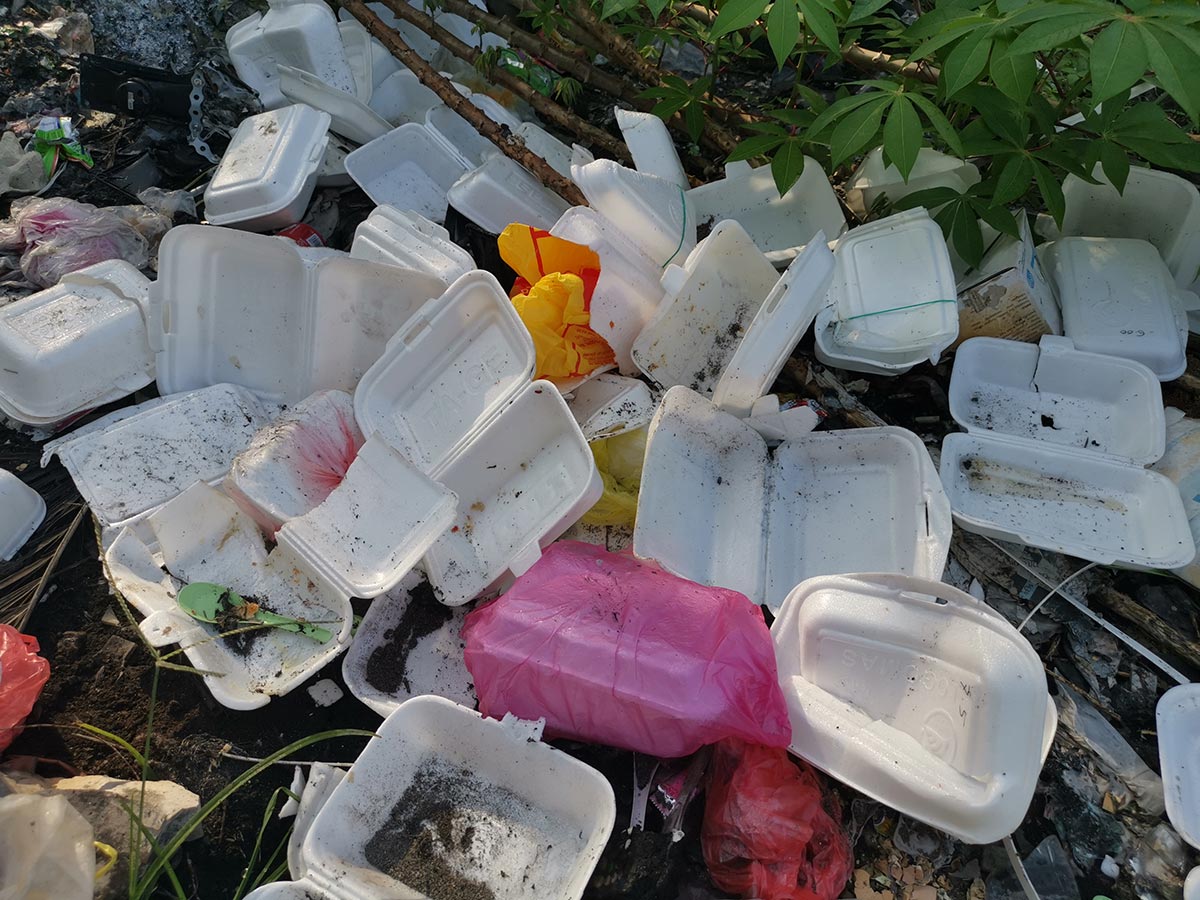
Widely perceived as problematic and unnecessary, polystyrene and EPS foam packaging results in long-lived waste that cannot be recycled at scale. The report also reveals that polystyrene consumes about 2% of the world’s crude oil and fossil gas, and emits climate-changing gases and health-threatening toxic chemicals at every stage of its production.

American Styrenics (right), plastics chemical plant near homes in Donaldsonville, Louisiana
“I live in Donaldsonville between two chemical plants that make styrene,” said Ashley Gaignard, president and founder of Rural Roots Louisiana. “I’m concerned about cancer-causing air emissions. Instead of more plastic pollution, we should be investing in businesses that can’t compromise our health,” she said.
Small kitchen appliance brands observed with styrofoam packaging included KitchenAid, Cuisinart, Mr. Coffee, crock-pot, Instant Pot, Gourmia, Chefman, bella, KitchenSmith, Cosori, and Aroma, according to the report’s retail survey conducted in 2025.
Of the 38 brand-owners evaluated, 22 were awarded a grade of F for failure to report any action or policies to phase-out styrofoam in favor of recyclable or compostable packaging.

KitchenAid stand mixer with styrofoam packaging
Whirlpool Corporation’s popular KitchenAid stand mixers are still packed in more than two million cubic feet of styrofoam every year. The company received a D grade, reflecting modest progress in exiting styrofoam from other products.
“All consumer brands should commit to phasing our styrofoam packaging by the end of this year,” stated Mike Belliveau, director and founder of Bend the Curve, a national nonprofit working to prevent plastic pollution. “Safer alternatives are widely available, effective, and affordable. Brands should stand with their customers for health, climate, and justice.”
The top-scoring small kitchen appliance brands, who earned grades from B to C for reporting specific progress in phasing out styrofoam packaging, included GE Appliances, Ninja, Tabitha Brown (a Target owned-brand), Breville, and Smeg.
The continued use of styrofoam packaging of consumer goods runs contrary to trends. The production of polystyrene resin has declined 29% and expanded polystyrene foam by 6% in North America in the last decade, according to chemical industry statistics.
continue reading
Related Posts

Thanks to a series of bad bets by the chemical industry, conditions are now ripe to bend the curve down on plastic production.

Bending the curve down on plastics production is within reach. So is a meaningful Global Plastics Treaty.
Polystyrene is the only major plastic whose production and domestic use are steadily declining. Let’s examine why.